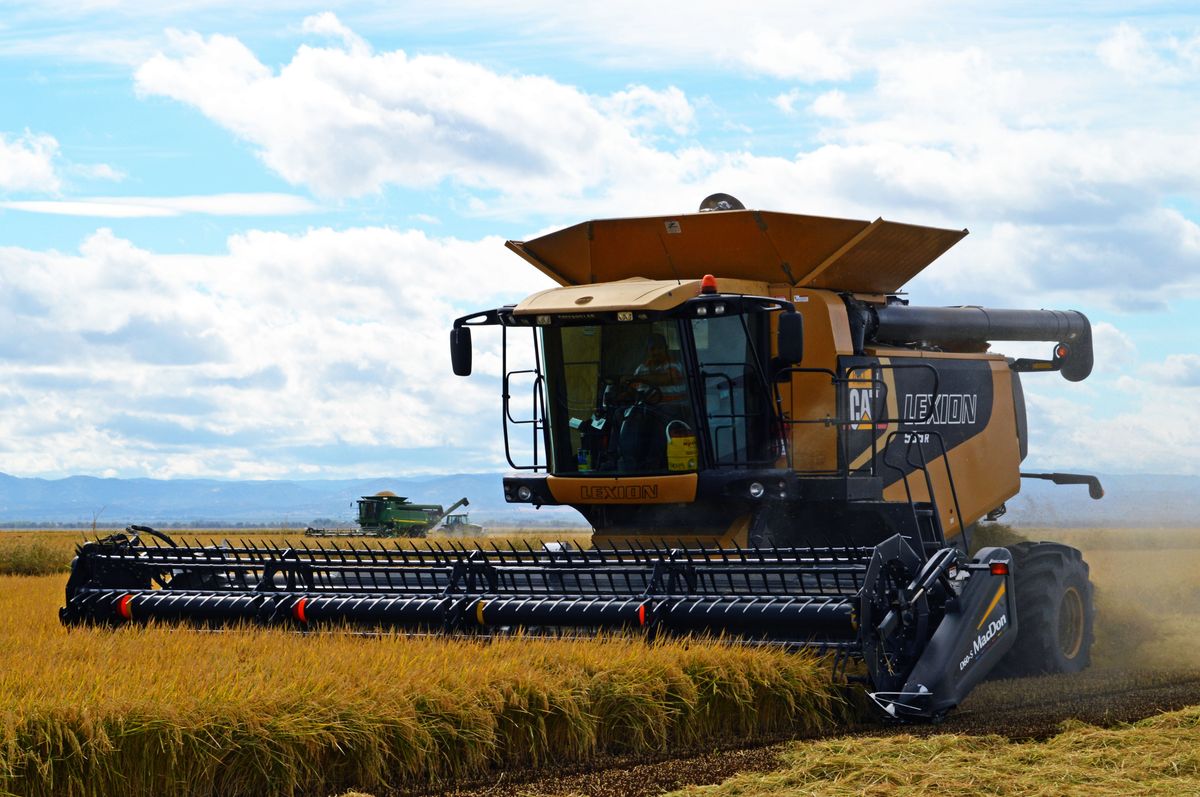
Seed Selection & Germination
The journey of rice begins with careful seed selection, a process guided by agricultural experience and seasonal understanding. Farmers choose seeds based on soil quality, climate conditions, and grain characteristics to ensure healthy crop growth.
These selected seeds are then nurtured in nursery beds, where germination takes place. This early stage lays the foundation for strong roots and resilient plants that can thrive throughout the growing season.
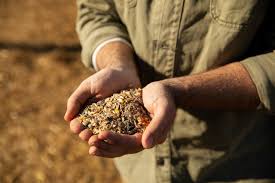
Transplanting into Paddy Fields
Once seedlings are strong enough, they are transplanted into water-rich paddy fields. This traditional practice allows rice plants to grow in a protected environment where water helps regulate temperature and control weeds.
Transplanting requires skill, precision, and teamwork. Farmers ensure proper spacing between plants so each seedling receives sufficient nutrients, sunlight, and space to grow evenly.
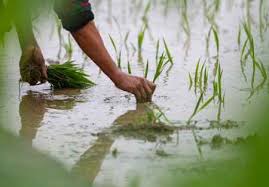
Growth, Care & Seasonal Harmony
As rice plants grow, they rely on a delicate balance of sunlight, water, and fertile soil. Farmers carefully monitor water levels, manage pests, and adapt to changing weather conditions to protect the crop.
This stage reflects the harmony between nature and human effort. Traditional farming knowledge combined with modern practices helps ensure healthy plants and consistent grain development.
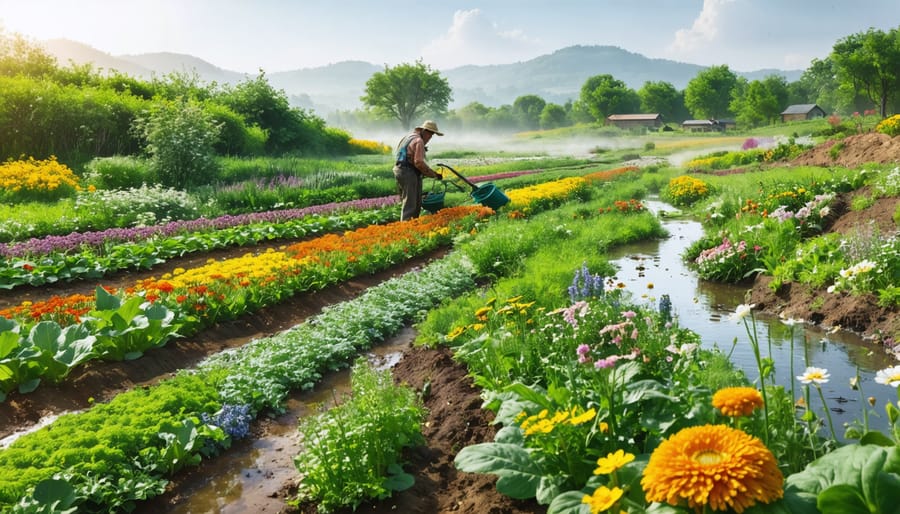
Flowering & Grain Formation
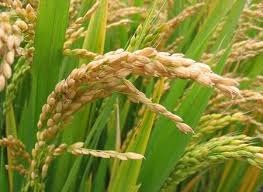
When rice plants begin to flower, the grain formation stage starts. Tiny grains develop within the panicles, slowly absorbing nutrients and gaining strength as they mature.
This phase plays a vital role in determining the aroma, texture, and overall quality of the rice. Farmers closely observe the crop to ensure optimal growth conditions.
Harvesting, Processing & Distribution
Harvesting takes place once the grains reach full maturity and turn golden. In many regions, traditional harvesting methods are still practiced, preserving the cultural heritage of rice farming.
After harvesting, rice is dried, milled, and stored under controlled conditions to maintain quality. At Dhaanya, we ensure that rice is sourced and supplied with integrity, consistency, and respect for its journey from field to table.